1: This is the diary of Takanori Herai, which I saw at the Souzou: outsider art exhibition. It has stuck in my head because each single sheet with its pencil drawing represents a day in the artists' life, (everyday he draws the days events on one page). So really that pile of paper is a life, and it seems both a very fragile representation of that (because paper is so easily destroyed) and a very physical one -most of us have only vague memories of each day in a year while Herai has these "paper memories." the image comes from: http://dvky86w5zdi7l.cloudfront.net/uploads/exhibition_images/045/097/max500_1.jpg?1368794223

2: This is a portrait from Riita Ikonen's series "Eyes as big a plates". It's one of the first pieces of illustration I was shown at the start of the Foundation Diploma, (when I was still wanting to study Fine art), and it tripped me up in my idea of Illustration. I also admire it because the image is so simple and direct in its communication -something I find hard to do! The image comes from: http://www.riittaikonen.com/files/ikonenhjorthagnesoslo.jpg
3: This is "Dome of space and time" by William Robinson. It is one of my favorite paintings because it's so beautiful: the way he has painted the land rising shows us it is alive -which most landscape paintings don't do. In fact it feels wrong saying 'it', the landscape- Springbook (in Northern New South Wales, Robinsion's homeland) is a character, is one being. This could be a portrait of the world, the only earth. The image comes from: http://www.ogh.qut.edu.au/wrgallery/images/transfigured5.jpg
4: A portrait of Christopher Robin Milne with Pooh bear. This is up in front of my desk too- I like it so much because the boy seems to really believe his bear is alive and must therefore be hungry. It's very affectionate. image comes from: http://s3-media1.ak.yelpcdn.com/bphoto/731rMt_17EgnEwtjyRgdvw/l.jpg
5: One page from Winsor McCay's "Little Nemo in Slumberland"- On each page, Little Nemo falls asleep and dreams and wakes up from his dream. Its such a simple idea, but I think McCay's done it brilliantly: Nemo can go to mars, to the bottom of the ocean or the arctic, (McCay can draw whatever he fancies) he can do things that would kill him in any other story and wake up every time safe in bed. It's quite poetic. The image comes from: https://blogger.googleusercontent.com/img/b/R29vZ2xl/AVvXsEhrN34o45oSiq2I40Zax7wyubogGkXXfhNkXhcL991F4_DMdjdnICGNrRzVzavzS9s9uar_ptHnOCLr5hHsY3TEAPAqQU022IDE_EOmRAS_TMp8VHxB-Atb2bMN-SKFrnIGZ2FonLedbzdL/s1600/p5.jpg

6: Rock paintings from Matobo national Park, Zimbabwe. From what I've read, these drawings and those by the San of South Africa aren't representations of living creatures (as we usually think of drawings) but living themselves, with their own power or energy. This seems so beautiful. Drawings that like Christopher Robin Milne's bear need feeding. A drawing that is living enough could stay inside someone who has seen it and change their perceptions of the world. Image comes from: http://cdn.naturalhighsafaris.com/cdn/made/cdn/uploads/country_images/Zimbabwe/Matobo%20Hills/matobo-hills_%287%29_940_529_80_s_c1.jpg
7: This is Alejandro Chaskielberg's "the dreaming family". It is beautiful- they all look as if they are out of their bodies, somewhere far away. The lighting looks so unnatural it makes the photo appear like a fairytale. Image from: http://asset3.itsnicethat.com/system/files/042012/4f8d686c5c3e3c4c14000d78/img_col_main/AF7.jpg?1354581098
8: This is a photo from a performance of "Ubu and the Truth Commission" by Handspring Puppet Company. I find it interesting for the same reason as the photo of Christopher and Pooh bear. But here its an adult believing or seeing the life of the object, and asking many many others (the audience) to also see it. Photo from http://www.csps.emory.edu/images/face.jpg

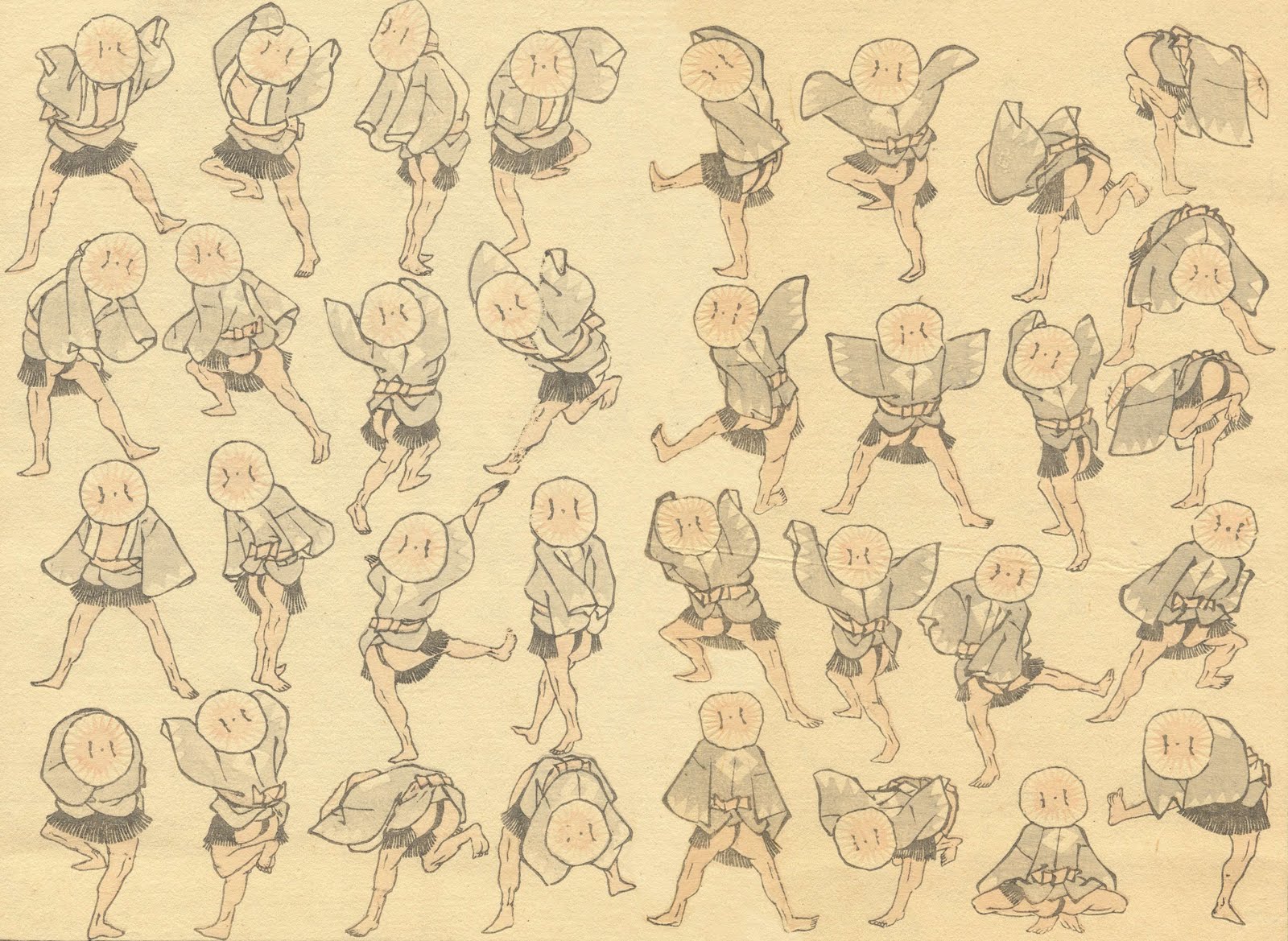
9: A double page from Hokusai's manga. Hokusai said "At seventy-three I began to grasp the structures of birds and beast, insects and fish, and of the way plants grow. If I go on trying I will surely understand them still better by the time I am eighty, so that by ninety I will have penetrated to their essential nature. At one hundred, I may well have a positively divine understanding of them, while at one hundred and ten I will have reached the stage where every dot and stroke I paint will be alive". He makes drawing sound like magic- that the aim is to know the true shapes of everything on earth because then when they are drawn they are not just representations but the true thing- a real paper pine tree or a real paper walker...Image from: http://www.stanley-livingstone.eu/media/atlas%20of%20remote%20islands%20detail%20map.jpg
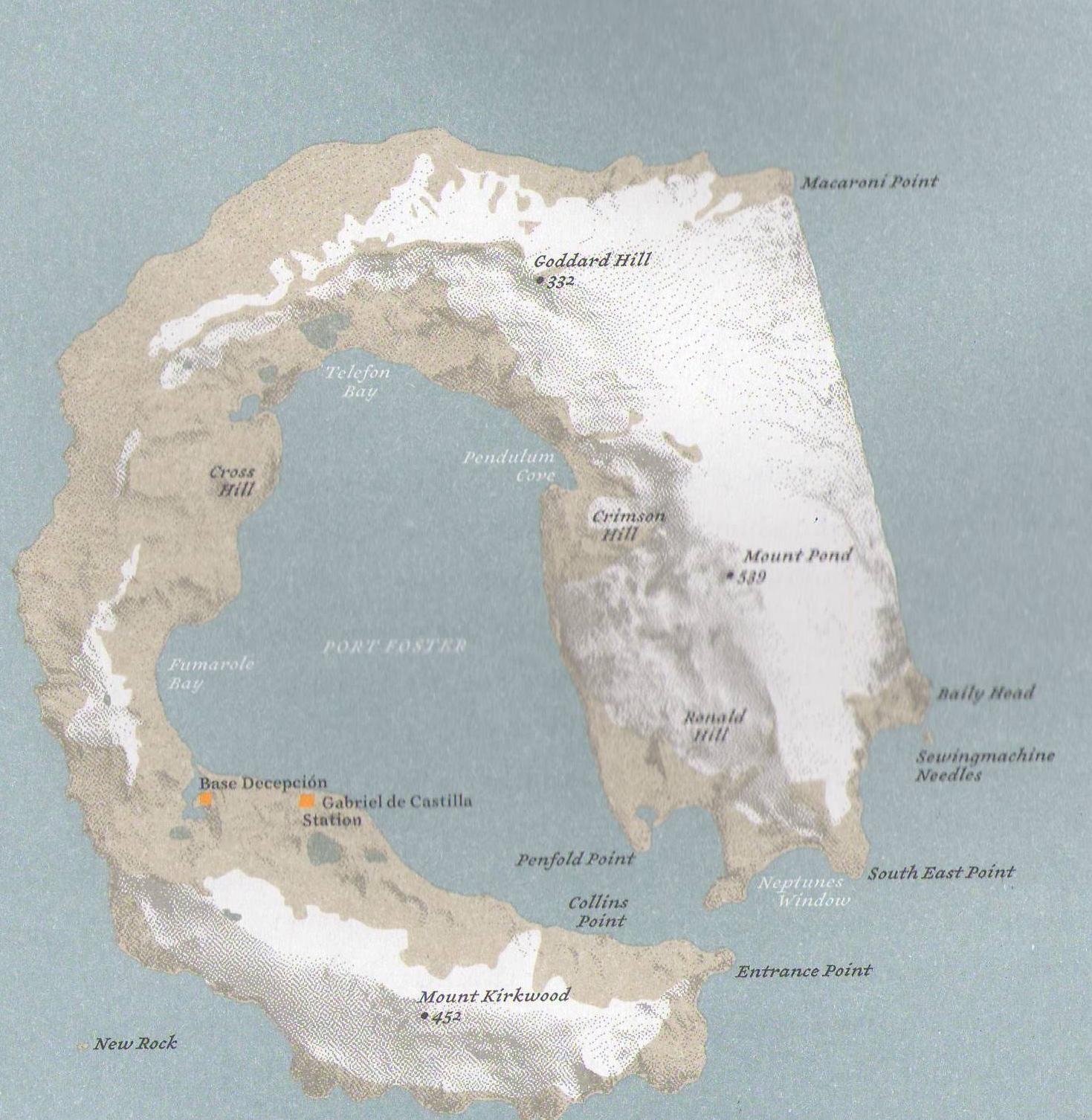
10: Finally, this is Deception Island, from Judith Schalansky's map book. It looks, like all the other islands in the book, fragile and almost delicate in its carefully dotted body, though it survives the huge ocean it is lost in.Image comes from: http://www.strangehistory.net/blog/wp-content/uploads/2011/03/deception-island.jpg





_940_529_80_s_c1.jpg)